
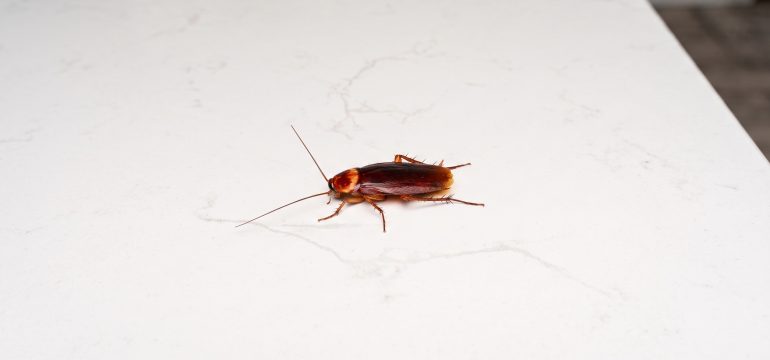

As South Africa moves out of the cold winter months into spring, temperatures are rising, and so is pest activity. Cockroaches that spent the winter sheltered in the warmth of your bathtub, behind the fridge, or beneath your sinks are preparing for their primary breeding season.
Spring is a critical window to take control. While daytime temperatures remain moderate, it is the perfect time to act before the roach population surges. By understanding how the cockroach breeding cycle works, you can target hidden egg sites and stop infestations before summer arrives. Remember: there is never just one.
The Three Stages of the Cockroach Lifecycle
All cockroach species undergo incomplete metamorphosis, progressing through three distinct life stages:
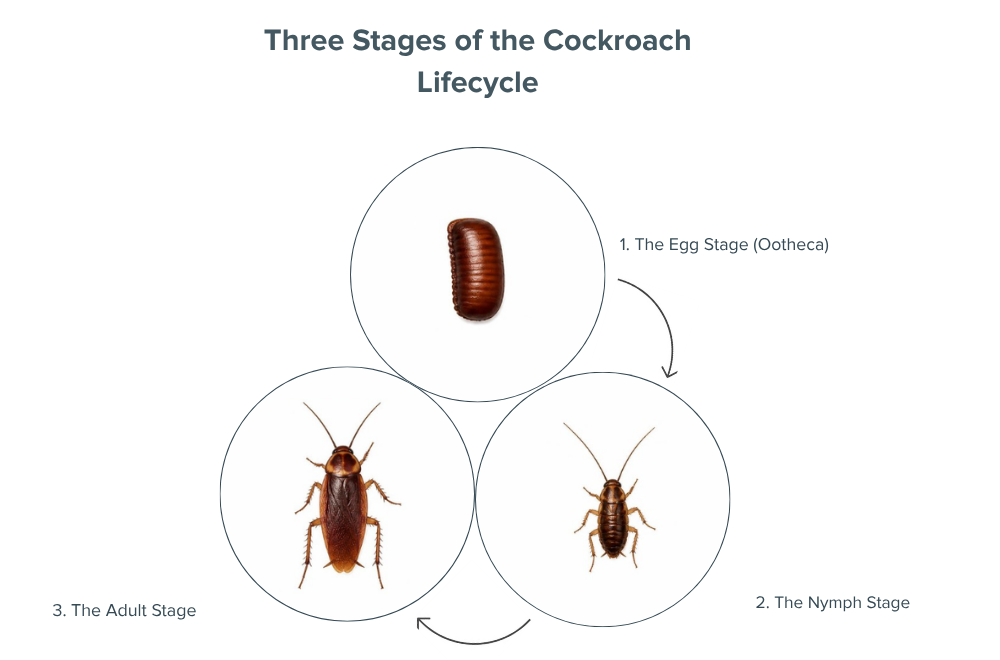
- The Egg Stage (Ootheca): Female cockroaches produce egg capsules called oothecae. Depending on the species, the female may carry the capsule attached to her body or deposit and camouflage it in a sheltered spot near food and moisture.
- The Nymph Stage: Once hatched, young cockroaches emerge. Nymphs resemble smaller, wingless adults. As they feed and grow, they shed their hard outer exoskeletons multiple times through moulting.
- The Adult Stage: After the final moult, cockroaches reach maturity with fully functional wings (in most species) and active reproductive systems. A single female can produce dozens of egg capsules over her lifespan, leading to exponential population growth if left unchecked.
Cockroach Species & Breeding Behaviours in South Africa
Reproductive rates, egg-laying sites, and maternal care vary widely across different species as seen below:
| Feature / Metric | German Cockroach (Blattella germanica) | Oriental Cockroach (Blatta orientalis) | American Cockroach (Periplaneta americana) |
| Primary Habitat & Entry | Warm, humid indoor areas (kitchens, bathrooms, motor housings) | Cool, damp, subterranean areas (basements, drains, subfloor voids) | Warm, damp, dark structures (sewers, steam tunnels, pipe chases) |
| Egg Case Handling Strategy | Carried on female’s abdomen until 1–2 days before hatching | Dropped or glued in dark, sheltered spots near moisture within 30 hours | Glued to hidden crevices within 24 hours & camouflaged with debris |
| Reproductive Output | 30–40 eggs/case (4–8 cases lifetime; approx. 300 total) | 16 eggs/case (8–10 cases lifetime; approx. 150 total) | 14–16 eggs/case (15–90 cases lifetime; up to 1,400+ total) |
| Egg-to-Adult Development | 50–60 days | 300–800 days (1+ years) | 150–450 days (6–12 months) |
| Adult Lifespan | 100–200 days | 34–180 days | 100–700+ days |
| Reproductive Peak & Strategy | Rapid, continuous indoor breeding year-round | Strongly seasonal; peaks in late spring/summer | High lifetime output driven by long female lifespan |
| Nesting & Egg Hiding Preference | Electrical motor housings, cabinet cracks, under sinks | Foundation leaf litter, subfloor voids, outdoor drains, crawl spaces | Damp basement corners, laundry rooms, boiler areas, baseboards |
Why Spring Warmth Accelerates Breeding
As spring temperatures rise across South Africa, cockroach metabolism speeds up dramatically:
- Faster Embryonic Development: Higher ambient temperatures shorten the time eggs need to hatch inside their cases.
- Rapid Nymph Growth: Warmer weather accelerates the moulting process, causing nymphs to reach breeding maturity in a fraction of the time it takes during winter.
- Increased Foraging: Emerging from winter dormancy, adult roaches forage aggressively for water and carbohydrate-heavy food scraps to feed their burgeoning colonies.
Signs of an Active Breeding Infestation
Before you see adult roaches roaming in the daylight, their breeding activity leaves behind clear physical warning signs:
- Discarded Egg Cases (Oothecae): Finding small, dark brown, purse-shaped or cylindrical egg capsules tucked behind appliances, inside cabinet hinges, or along baseboards indicates females are actively depositing offspring nearby.
- Shed Exoskeletons (Cast Skins): As nymphs grow and progress through their moulting stages, they leave behind translucent, amber-colored shell casings near primary harbourage sites.
- Pepper-Like Droppings: High densities of breeding nymphs and adults leave behind small, dark droppings that resemble ground black pepper or coffee grounds, often smeared along cabinet corners and wall-floor junctions.
- An Unpleasant Musty Odor: Active breeding colonies secrete airborne pheromones that produce an increasingly strong, damp, oily, or musty smell throughout infested rooms.
How to Break the Breeding Cycle
Spring cleaning is your single best opportunity to disrupt nesting spots and eliminate hidden egg cases before populations explode in summer:
- Move Appliances and Furniture: Pull out fridges, stoves, and washing machines. Clean away accumulated grease, dust, and food scraps that serve as primary food sources.
- Eliminate Standing Water: Fix dripping taps, dry out sinks overnight, and inspect under-sink plumbing. Water is essential for egg-laying females.
- Seal Food Sources: Store flour, sugar, grains, and pet food in airtight glass or plastic containers.
- Seal Entry & Nesting Points: Use silicone sealant to fill gaps around baseboards, wall tiles, and pipe penetrations to deny females dark egg-laying sites.
We Are the Professionals
Yes, over-the-counter sprays kill visible adult roaches on contact, but they rarely reach hidden egg capsules or sheltered nymphs. Once spring eggs hatch, the infestation simply rebounds.
To permanently break the cycle, make use of our professional cockroach treatments. Backed by decades of expertise, our certified technicians target the root of the problem using precision application equipment, advanced formulations, and Insect Growth Regulators (IGRs) that act like birth control for cockroaches, preventing young nymphs from maturing into breeding adults and eliminating hidden nesting sites.
Additional Resources
- Understanding Seasonal Shifts: Learn how cooling weather changes pest behaviour in our guide on cockroaches in autumn.
- For Commercial Kitchens: Read our operational breakdown on cockroach hazards in food processing to protect your hygiene standards and stay audit-ready.



Leave a Reply
You must be logged in to post a comment.