


Within the food manufacturing and processing sector, maintaining strict hygiene standards is a continuous priority. While facility managers oversee complex processing lines, raw material intake, and stringent quality checks, the presence of pests, particularly cockroaches, remains a major threat to operational continuity.
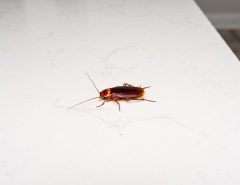
Cockroaches are among the most resilient commercial pests globally. In South African processing environments, species such as the German cockroach (Blattella germanica) present severe sanitation risks. Unlike larger species found predominantly outdoors, German cockroaches exhibit strong thigmotactic behaviour, seeking extremely tight, warm, and humid crevices (between 1 mm and 2 mm) near equipment motor housings, electrical conduit boxes, and floor drains. Beyond hiding deep within machinery voids, these insects act as high-risk mechanical vectors that directly compromise food safety, audit compliance, and supply chain integrity.
Controlling these risks is essential for passing your next food safety audit. Here are five main cockroach hazards every facility needs to manage:
1. Direct Product and Environmental Contamination
Cockroaches thrive in dark, humid harborages such as floor drains, sewer lines, and internal equipment structures. Because they feed indiscriminately on decaying organic matter and waste, they act as mechanical vectors for dangerous biological hazards.
When cockroaches crawl across food preparation surfaces or raw ingredients, they transfer pathogenic microorganisms including Salmonella spp., Escherichia coli (E. coli), Listeria monocytogenes, and Staphylococcus aureus. Contamination occurs through several primary pathways:
- Saliva and digestive fluids: Cockroaches regurgitate fluids to soften food before eating, leaving micro-droppings across stainless-steel machinery, conveyor belts, and food-contact zones.
- Faecal matter: As they move along pest pathways, they leave droppings and secretions that produce foul odours and penetrate porous food packaging.
- Cast skins and egg cases: Cockroaches undergo incomplete
metamorphosis (hemimetabolous lifecycle). Nymphs shed their exoskeleton (exuviae) five to eight times before reaching adulthood, while females drop egg cases (oothecae). A single female German cockroach carrying one ootheca can introduce up to 40 nymphs into a facility. - Allergen loading: Shed skins and faecal particulates contain protein allergens such as Tropomyosin, which contaminate facility air and pose occupational health risks to plant personnel.
Identifying Harbourage Evidence in Production Lines
Commercial infestations rarely begin out in the open. Facility teams and QA inspectors should monitor harborage zones for three key physical indicators:
- Pepper-like droppings: Concentrated around motor housings, electrical boxes, and wall voids.
- Smear marks: Dark, irregular brown marks along horizontal surfaces and wall-floor junctions in high-humidity zones like drains and washdown areas.
- Exuviae (shed skins): Cast skins left near shelter points, signaling an active, self-sustaining breeding population within equipment gaps.
Identifying these early physical signs allows facility managers to take swift action before harborage zones expand. Early intervention prevents pest populations from spreading across the rest of the manufacturing line.
Cockroach Harbourage Zones in Food Processing Facilities
Cockroaches exploit minor structural defects and sanitation blind spots to establish harborage colonies. In food processing environments, facility teams should inspect these key sanitation hotspots:
- Equipment motor housings and control panels: Electrical enclosures offer continuous warmth, protection, and tight gaps near active processing lines
- Floor drains and drainage channels: High-humidity zones with organic sludge accumulation provide ideal water and food sources for cryptic harborage
- Conduit pipes and wall penetrations: Unsealed openings around utility lines allow pests to travel undetected between processing rooms
- Underneath stainless-steel worktables and conveyor tracks: Debris trapped in structural hollows and tubular frames creates sheltered feeding grounds
- Machinery rubber seals and gaskets: Cracking seals on refrigeration units and processing vats harbour nymphs away from routine surface cleaning
2. Supply Chain and Logistics Vulnerabilities
Managing product movement across a complex supply chain demands relentless sanitation controls. Receiving docks are often a facility’s weakest link, serving as a primary highway for hitchhiking pests.
Without rigorous checks at intake, an introduced pest problem can bypass your outer defenses in seconds.
Primary Risk Vectors at Intake
- The cardboard trap: Corrugated cardboard is not just packaging. It acts as an ideal environment for pests by offering insulation, dark breeding crevices, and a cellulose food source.
- Hitchhiking egg cases: Female roaches routinely hide resilient egg cases (oothecae) inside wooden pallets and bulk shipments. These egg cases survive harsh transit conditions and hatch inside your clean environment.
- Cross-contamination highways: Unchecked raw materials placed directly into main storage areas can quickly spread an infestation to clean processing zones.
3. Total Quality Management Line Item Risks
Total Quality Management (TQM) relies on continuous risk identification and corrective action to eliminate production errors. A pest infestation anywhere along the line threatens the integrity of your entire operational process.
Cross-departmental vigilance is critical to managing line item risk:
- Raw material sensitivity: Shared bulk ingredients like flour, sugar, or grain mean an infestation in one incoming batch can compromise multiple product lines.
- Quality team awareness: Quality assurance personnel must receive technical pest awareness training so they can identify early signs of infestation during routine operational sweeps.
- Interdepartmental handoffs: Enforcing inspection checkpoints between processing, primary packaging, and secondary storage steps prevents hidden pests from migrating deeper into clean manufacturing zones.
4. Severe Brand Damage and Public Relations Exposure
Finding evidence of a pest in a food product is unacceptable to consumers and retail partners alike. With the immediate reach of social media, a single photograph of a cockroach in a finished product can quickly spread online, causing severe, lasting damage to a company’s brand equity.
Modern consumers and corporate retail buyers demand uncompromising food safety standards. Rebuilding public trust after a publicised pest incident is difficult, costly, and time-consuming. Integrating professional pest management into your contingency planning is one of the most effective ways to protect brand reputation and retail shelf presence.
5. Escalating Financial Losses and Audit Non-Compliance
While maintaining an active, professional pest management strategy requires ongoing investment, managing an unmonitored infestation carries far greater financial and regulatory consequences.
Uncontrolled pest activity leads to direct operational losses:
- Product wastage: Entire production batches must be condemned and destroyed following contamination events.
- Decontamination expenses: Repeated sightings require deep cleaning, specialized chemical treatments, and costly temporary line stoppages.
- Regulatory penalties: Pest presence during third-party audits results in immediate failure under international standards such as GFSI, FSSC 22000, and BRCGS.
South African Regulatory Frameworks and Compliance
In South Africa, food safety compliance is strictly enforced under the Foodstuffs, Cosmetics and Disinfectants Act, 1972. Furthermore, SANS 10049 (the South African National Standard for Food Safety Management) mandates a documented, proactive pest management program as an essential prerequisite for HACCP (Hazard Analysis Critical Control Point) certification.
Failing a municipal health inspection due to roach contamination risks immediate enforcement notices, administrative fines, or temporary facility closure under local municipal health bylaws.
Protecting Your Operational Compliance with Rentokil
Implementing thorough TQM inspection protocols at every production stage protects both your facility and downstream clients. While internal teams can handle routine visual checks, partnering with a registered, professional pest control provider ensures your facility remains audit-ready around the clock.
Rentokil’s ERDM Framework for Food Facilities
Managing commercial pest risk requires more than reactive treatments; it demands a full ecosystem strategy. Rentokil partners with food manufacturers using our proven ERDM framework:
- Exclusion: We seal structural gaps, conduit entry points, and drain perimeters to deny pests initial access to the facility.
- Restriction: We implement strict waste management protocols and raw material storage practices to remove food and moisture sources.
- Destruction: We deploy SAPCA-registered, targeted gel baits using non-repellent formulations. Gel baits rely on secondary kill mechanisms, such as coprophagy (ingesting faeces) and necrophagy (ingesting dead nest mates). This eliminates entire hidden harborage colonies without contaminating sensitive food surfaces.
- Monitoring: We use myRentokil, our online digital pest reporting portal. This maintains 24/7 audit trails, pest activity trend analysis, and immediate compliance documentation for health inspectors and food safety auditors.
Combining early internal reporting with structured professional treatments keeps processing facilities clean, compliant, and fully protected against operational disruptions.


Leave a Reply
You must be logged in to post a comment.