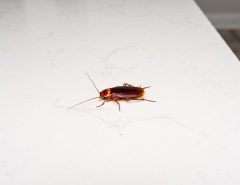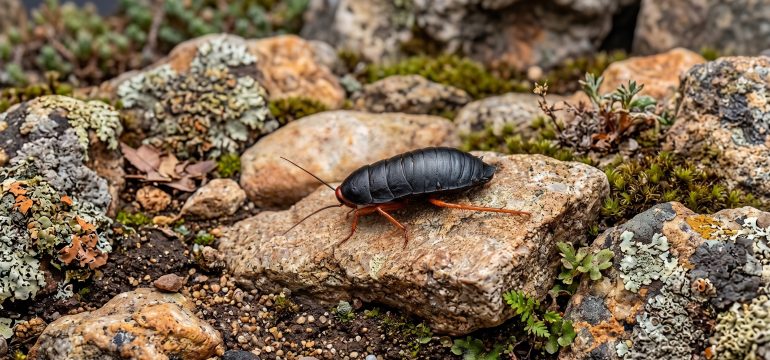

As winter loosens its grip across South Africa, late August into September brings warmer weather, spring rains, and a sudden surge in local garden life. But alongside blooming flora comes an unwanted seasonal visitor: the Bush Cockroach. If you’ve recently opened your front door to find large, shiny black bugs wandering across your patio, or worse, crawling up your living room wall, you aren’t alone.
While seeing any crawling insect indoors can trigger immediate panic, bush cockroaches are very different from the invasive cockroaches that nest in kitchens and drains. Understanding what draws these harmless outdoor invaders inside is the fastest, most effective way to keep your living space pest-free without unnecessary indoor spraying.
What is a Bush Cockroach?
Despite urban myths claiming they are moth-cockroach hybrids, bush cockroaches (Deropeltis erythrocephala) are native insects belonging to the Blattidae family. They are a completely natural part of the outdoor ecosystem.
Key Identification Features:
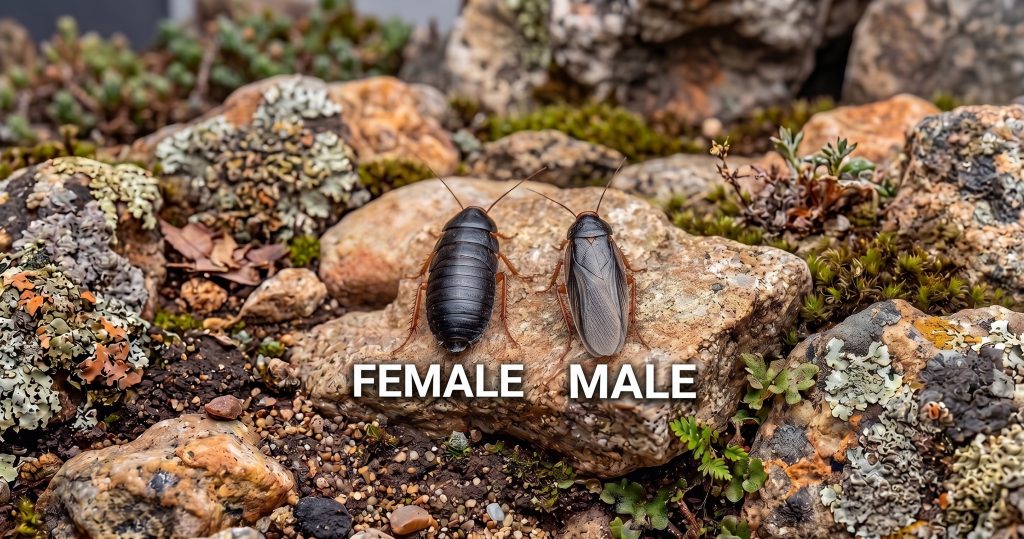
- Distinct Physical Appearance: Unlike common light-brown household roaches, adult bush cockroaches feature a dark, jet-black, flattened body with a glossy or velvety sheen. Females are wingless with a rounded, beetle-like silhouette, whereas adult males possess fully developed wings and a more elongated shape.
- Habitat: They live outdoors in gardens, compost, decaying tree bark, mulched flowerbeds, and under damp stones or logs.
- Diet: They feed exclusively on decaying plant matter and garden vegetation, not the food leftovers on your kitchen counters.
- Nature’s Recyclers: Bush cockroaches are actually beneficial garden decomposers. They break down fallen leaf litter into nutrient-rich soil, aerate topsoil, and provide a vital food source for local birds, frogs, and lizards.
Understanding the Lifecycle
Like all Blattidae species, the bush cockroach undergoes an incomplete metamorphosis (hemimetabolous lifecycle) consisting of three core stages: egg, nymph, and adult.
- Egg (Ootheca): Female bush cockroaches lay their eggs inside a dark, hardened protective capsule called an ootheca. In early spring, the female deposits or hides this capsule in moist, secluded outdoor microclimates, such as rich leaf litter, beneath loose tree bark, or in compost heaps.
- Nymph: Upon hatching, wingless young (nymphs) emerge. Nymphs look like mini, scaled-down versions of adult females. As they feed on decaying plant material throughout the warmer months, they shed their hard exoskeleton (molt) several times as they grow.
- Adult: By late winter or early spring, the nymphs reach maturity. Fully developed males take flight on warm evenings, while adult females remain ground dwelling, ready to mate and start the cycle over again.
Because their entire reproductive cycle relies on outdoor conditions like moist soil, leaf mold, and high humidity, bush cockroaches cannot complete their lifecycle or reproduce inside a dry home. Any individual that strays indoors will eventually die of dehydration.
Bush vs. Household Cockroaches
It is easy to panic when you spot any roach indoors, but bush cockroaches pose a very different scenario compared to German, American, or Oriental cockroaches.
| Feature | Bush Cockroaches (Deropeltis Erythrocephala) | Standard Household Roaches (German/American) |
| Primary Habitat | Flower beds, compost heaps, and braai woodpiles | Kitchens, drains, municipal sewerage pipes, and waste infrastructure |
| Health Risk | Low/none (Harmless, do not breed indoors) | High (Spread bacteria, pathogens, salmonella) |
| Attracted To | Garden moisture, outdoor lights, shelter | Unsealed food, grease, dirty dishes, standing water |
| Behaviour | Slow, sluggish indoors; often found sitting on walls | Fast-moving, nocturnal, actively nesting in crevices |
Why Are They Inside Your Home?
Bush cockroaches are seasonal pests that emerge in large numbers from September onwards. Their sudden appearance inside your living space usually comes down to two main factors:
- Weather & Moisture Shifts: Spring rains flood their natural outdoor habitats in leaf litter and garden beds. As ground conditions become overly damp, they wander indoors searching for dry, sheltered microclimates.
- Attracted to Light: Male bush cockroaches fly towards patio lights or indoor lighting coming through open doors and windows on warm spring evenings.
5 Tips to Keep Bush Cockroaches Out
To keep them outside where they belong, focus on physical exclusion and outdoor maintenance:
- Clear the Perimeter: Keep garden beds and compost heaps a short distance away from your exterior house walls to create a clean barrier.
- Relocate Firewood: Move dry braai woodpiles away from exterior walls so pests don’t have a cosy hiding spot against the bricks.
- Trim Garden Overgrowth: Trim dense bushes, shrubs, and ground cover that creep too close to your doors or low windows.
- Seal Entry Points: Install door seals along the bottoms of exterior doors, check for gaps around utility pipes, and ensure fine insect mesh screens are fitted tightly on open windows.
- Manage Night Lighting: Switch off unnecessary outdoor lights at night during peak spring emergence, or swap them for yellow anti-insect bulbs.
How We Can Help
While bush cockroaches are harmless to your health, having them crawl across your living room wall or patio is still creepy and unwelcome. Instead of constantly relying on indoor insecticide spray, the most effective, long-lasting solution is a targeted exterior treatment.
Rentokil’s SAPCA certified technicians apply professional-grade treatments around your home’s exterior foundation walls, door frames, and entry points. This stops crawling insects on the outside before they ever cross your threshold, giving you total peace of mind without needing chemical sprays inside your house.
Bush cockroaches are an essential part of South Africa’s outdoor garden ecosystem, but that does not mean you have to share your lounge with them this spring. By combining basic physical prevention around your garden with a professional exterior perimeter defence, you can enjoy the warmer weather without uninvited pests creeping indoors.